Used Car Prices in Alberta Are Cooling. Are Buyers Finally Getting a Break?
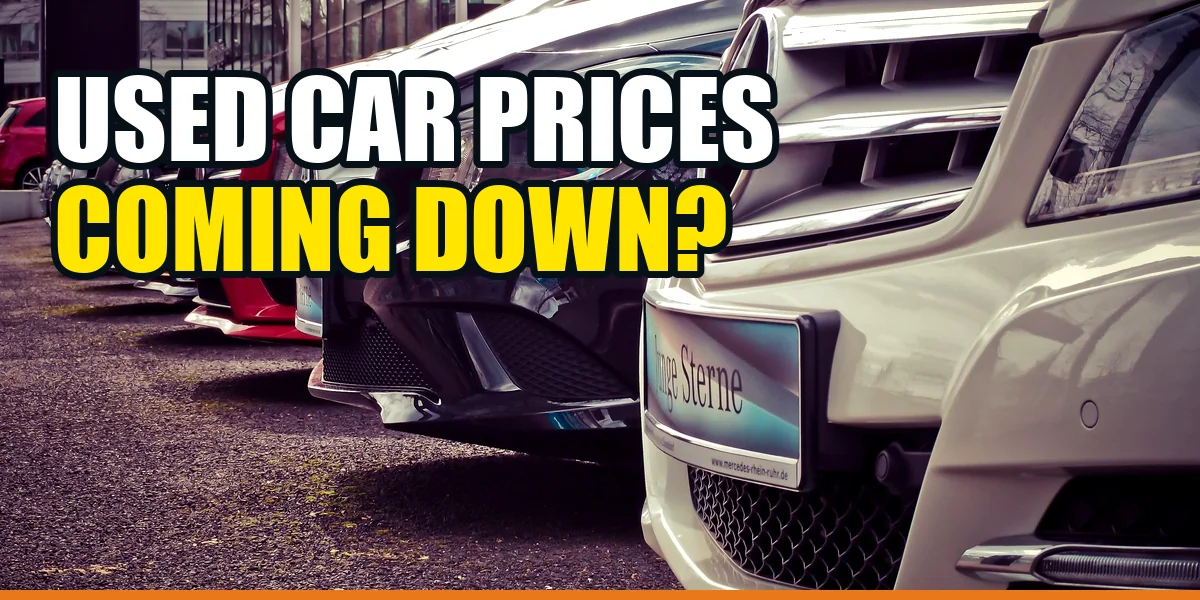
I look at used vehicles in Edmonton every day, and I have felt the change. Prices do not look as wild as they did one or two years ago. More vehicles are showing up, buyers have more options, and some asking prices are starting to come back down.
The Canadian data supports that feeling, but only to a point. Used vehicles are getting cheaper in parts of the market. They are not falling at the same speed everywhere, and Alberta still has strong demand for the trucks and SUVs many people use here.
Yes, used car prices have cooled from their peak. CARFAX Canada measured the national average listing price at 2.7% below the previous year in August 2026. Inventory jumped while transactions fell. Alberta still recorded a modest monthly price increase, so the local market is softer without being cheap across the board.
The market feels different because buyers have choices again
The hardest part of the pandemic-era market was the lack of choice. New vehicles were delayed, fewer people traded in their old ones, and a clean used vehicle could attract attention as soon as it appeared. Buyers often had to decide before they had much time to compare.
That pressure has eased. CARFAX Canada counted 228,788 distinct used listings in August 2026, up 18.9% from the previous month and the highest level it had recorded that year. At the same time, used vehicle transactions fell 6.9% from July and 6.6% from a year earlier.
More vehicles were for sale while fewer changed hands. That does not force every seller to cut a price, but it changes the mood. A buyer can compare two or three similar vehicles instead of hoping the only suitable one stays available until Saturday.
What the latest Canadian numbers say
| Market signal | Latest reading | What it means for an Alberta buyer |
|---|---|---|
| National average listing price | $30,776 in August, down 2.7% year over year | The national direction is lower, but the change is gradual. |
| Available used inventory | 228,788 listings, up 18.9% month over month | More selection gives you better comparisons. |
| Used vehicle transactions | Down 6.6% year over year | Demand has softened while supply has grown. |
| Wholesale values | Down 0.27% in the week ending October 17 | Wholesale values are easing across much of the market. |
AutoTrader saw the same broad direction in its second-quarter report. Its average used vehicle price fell 2.6%, but it also warned that prices remained historically high. Canadian Black Book reported another 0.27% weekly decline in wholesale values for the week ending October 17.
Those reports use different listing pools and methods, so their headline averages should not be placed side by side as if they measure the same vehicles. The useful part is the shared direction: demand has softened, supply has improved, and the market has moved away from its peak.
Your memory of the old prices is not wrong
AutoTrader believed Canadian used vehicle prices peaked in 2023. Canadian Black Book's wholesale retention index ended 2024 at 21.6% below its March 2022 peak. By early 2024, AutoTrader was already measuring a 4% annual decline in used prices.
That helps explain why today's listings can feel more reasonable than the ones you remember from a year or two ago. The biggest correction happened after a period when ordinary depreciation barely seemed to apply. We are now seeing vehicles lose value in a more familiar way.
The correction did not return the market to 2019. Fewer new vehicles entered Canadian roads during the supply shortages, and that missing volume still affects the pool of newer used vehicles. Clean examples with sensible kilometres remain desirable.
Alberta does not move exactly like the national average
CARFAX Canada found a modest monthly increase in Alberta used prices in August, even while the national average slipped. That difference matters. A national decline does not guarantee that the vehicle you want in Edmonton will cost less next month.
Alberta buyers also favour trucks and SUVs. CARFAX found that trucks remained the highest-priced major segment and were among the few categories with a monthly increase. SUV prices stayed stable. Passenger cars continued to lose value, and used electric vehicle prices fell 5.4% from the previous year.
If you are shopping for a sedan or a used EV, the market may feel much softer. A low-kilometre pickup with the right drivetrain can tell a different story. Body style, trim and history often matter more than the national percentage.
Average price does not tell you whether one vehicle is a deal
An average blends together old commuters, nearly new luxury SUVs, work trucks and electric vehicles. It also changes when the mix of listings changes. If more late-model trucks appear in one month, the average can rise even when the price of a five-year-old compact car falls.
I compare the same model year, trim, drivetrain, kilometres and history. A base front-wheel-drive model should not set the value of an all-wheel-drive top trim. A vehicle with a large damage claim should not set the value of one with no reported damage.
CARFAX found that the average premium for vehicles with no reported damage had narrowed to about $6,400 from more than $7,200 a year earlier. History still changes the value. The gap has simply become smaller in its data.
Is this finally a better time to buy?
It is a better market for comparing vehicles. Inventory has grown, transaction activity has slowed, and prices have moved below last year's level. You have a better chance of finding the right colour, trim or kilometre range without treating the first suitable listing as your only option.
I would not try to call the exact bottom. A broad market decline can continue while one popular model stays firm. Waiting also changes the age and kilometres of the vehicle you already own.
The useful change is breathing room. Take enough time to compare like with like, read the vehicle history and understand why one asking price differs from another. A lower price helps. The right vehicle still has to fit your life and make sense in its current condition.
FAQ
Are used car prices dropping in Alberta in 2026?
Used car prices have softened from their peak, but Alberta is not dropping evenly. National listing prices were 2.7% lower year over year in August 2026, while Alberta recorded a modest monthly increase. The direction depends on the model, condition, kilometres and local demand.
Is 2026 a good time to buy a used car in Alberta?
Buyers have more choice than they had during the tightest years of the market. Inventory grew sharply in August while transactions slowed. That creates more room to compare similar vehicles, although desirable low-kilometre trucks and SUVs can still hold firm.
Will used car prices return to pre-pandemic levels?
Current Canadian reports do not point to a quick return to pre-pandemic prices. The market has cooled, but supply remains below earlier levels and average prices are still historically high.
Which used vehicles are losing value faster?
Recent Canadian data shows continued declines for passenger cars and used electric vehicles, while many SUVs remained stable and some trucks increased. The result for one vehicle can differ because trim, kilometres, history and condition matter.
Why do Canadian used car reports show different average prices?
Each report studies a different set of listings and may adjust the data differently. Use the direction and segment trends from each report instead of comparing two headline averages as if they measured the same vehicles.
Bottom line
Your feeling is fair. Used car prices have come down from the market's peak, and current data shows more inventory, softer demand and gradual price declines. Alberta buyers are getting more choice, but the best trucks, SUVs and low-kilometre vehicles can still resist the wider trend.
The market has become more normal. For a used-car shopper, that may be more valuable than waiting for a dramatic crash that may never reach the exact vehicle you want.
Sources: CARFAX Canada, Used Vehicle Market Insights: Fall 2026 Update, October 14, 2026; Canadian Black Book, Market Insights 10/20/26; Canadian Black Book, 2025 Canadian Black Book Market Preview; AutoTrader.ca, 2026 Q2 Price Index; AutoTrader.ca, March 2024 Price Index. Thumbnail photo by Pixabay on Pexels. Data sets and methodologies differ. General consumer information only.